Introduction
In today’s rapidly evolving professional environment, organizations increasingly depend on teamwork, communication, and collaboration to achieve long-term success. As workplaces become more diverse, digitally connected, and geographically distributed, maintaining healthy team dynamics has become more challenging than ever before. In this changing environment, emotional intelligence at workplace has emerged as a critical factor influencing employee engagement, collaboration, leadership effectiveness, and overall organizational performance.
Modern workplaces face several challenges that affect team relationships and productivity. The shift toward remote and hybrid work models has reduced face-to-face interactions, making it harder for employees to build emotional connections with colleagues. Many organizations experienced these issues during the COVID-19 pandemic, where employees reported feelings of isolation, communication gaps, and declining workplace morale. In addition, multi-generational teams often bring different communication styles, expectations, and work preferences that may lead to misunderstandings and interpersonal tension.
At the same time, increased workloads, tight deadlines, and high-performance expectations contribute to stress, burnout, and emotional fatigue among employees. When emotional pressure is not managed properly, workplace conflicts can escalate quickly, damaging trust and reducing team effectiveness. Therefore, organizations are now recognizing the growing importance of emotional intelligence in building healthier workplace cultures and improving collaboration among employees.
Emotional intelligence at workplace refers to the ability of individuals to recognize, understand, manage, and respond effectively to emotions in professional settings. Employees with high emotional intelligence communicate more effectively, demonstrate empathy, manage stress better, and resolve conflicts constructively. As a result, emotionally intelligent teams tend to perform better, collaborate more efficiently, and maintain stronger workplace relationships.
This article explores the role of emotional intelligence in teams, examining how emotional intelligence improves workplace collaboration, supports conflict resolution among team members, and strengthens organizational culture. The article also discusses practical strategies organizations can implement, including emotional intelligence training for employees, to enhance teamwork and long-term workplace success.
Understanding Emotional Intelligence at Workplace
The concept of emotional intelligence gained significant attention through psychological and organizational research highlighting the connection between emotions and workplace performance. Emotional intelligence is generally divided into several core components:
- self-awareness
- self-regulation
- empathy
- social skills
- emotional management
In workplace environments, these skills influence how employees interact with colleagues, respond to pressure, communicate ideas, and manage disagreements.
Employees with strong emotional intelligence are more likely to:
- communicate openly
- understand different perspectives
- remain calm under pressure
- build trust within teams
- handle workplace conflicts professionally
The growing importance of emotional intelligence in the workplace can be seen across industries where teamwork and collaboration are essential for productivity and innovation.
Organizations increasingly value emotional intelligence because technical expertise alone is no longer sufficient for effective workplace performance. Companies require employees who can collaborate across diverse teams, adapt to change, and maintain positive working relationships even in high-pressure situations.
Challenges Affecting Team Dynamics in Modern Workplaces
Team dynamics are influenced by communication styles, organizational culture, individual personalities, and emotional interactions between employees. Without effective emotional management, several workplace challenges can negatively impact team performance.
Communication Breakdowns
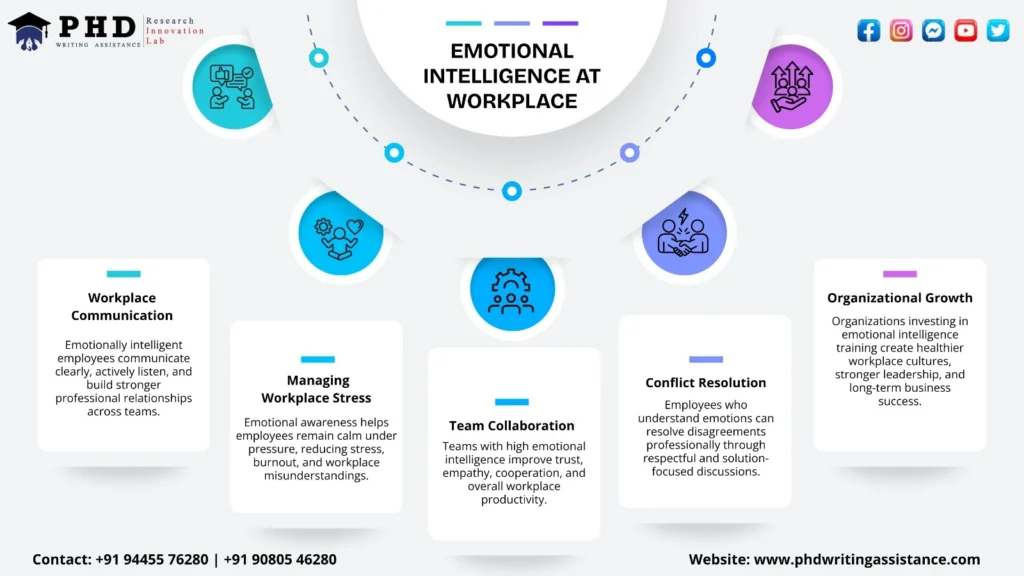
Poor communication remains one of the biggest barriers to effective teamwork. Misunderstandings often occur when employees fail to recognize emotional cues or communicate their concerns clearly. In remote work environments, limited face-to-face interaction can make communication even more difficult.
When employees feel ignored, misunderstood, or emotionally disconnected, frustration and disengagement can develop quickly. This reduces workplace collaboration and weakens team cohesion.
Diverse Perspectives and Generational Differences
Modern organizations often consist of employees from multiple generations and cultural backgrounds. While diversity encourages innovation and creativity, it can also create tension due to differing communication preferences, values, and expectations.
Younger employees may prefer transparent and collaborative leadership styles, while older generations may rely more on traditional workplace hierarchies. Without emotional awareness and empathy, these differences can lead to misunderstandings and workplace conflict.
Workplace Stress and Emotional Fatigue
High-pressure work environments contribute significantly to employee burnout and emotional exhaustion. Tight deadlines, performance expectations, and constant workplace demands may increase emotional reactions and impulsive decision-making.
When employees are emotionally overwhelmed, collaboration often suffers. Workplace stress can lead to:
- reduced patience
- increased conflict
- communication problems
- lower morale
- declining productivity
This highlights the growing importance of emotional intelligence in the workplace as organizations seek healthier and more sustainable work environments.
Emotional Intelligence in Teams and Workplace Collaboration
Strong teamwork depends heavily on trust, communication, empathy, and emotional understanding. Emotional intelligence in teams helps employees build stronger professional relationships and collaborate more effectively.
Improved Workplace Communication
Teams with high emotional intelligence are more likely to communicate openly and honestly. Employees feel more comfortable expressing their opinions, asking questions, and discussing concerns without fear of judgment.
Effective communication reduces misunderstandings and improves coordination across teams. Emotionally intelligent employees also practice active listening, allowing them to better understand colleagues’ perspectives and emotional needs.
This improved communication strengthens workplace collaboration and supports more productive team interactions.
Enhanced Empathy Among Employees
Empathy is one of the most valuable components of emotional intelligence. Employees who demonstrate empathy can recognize when colleagues are struggling and provide support when needed.
Empathy helps teams:
- build trust
- strengthen relationships
- improve cooperation
- reduce interpersonal tension
- foster inclusivity
When employees feel understood and valued, they are more likely to remain engaged and motivated in their work.
Building Trust and Psychological Safety
Trust is essential for healthy team dynamics. Employees perform better when they feel psychologically safe expressing ideas, sharing concerns, and participating in discussions.
Emotionally intelligent teams create supportive environments where employees respect each other’s opinions and collaborate toward shared goals. This sense of trust improves innovation, creativity, and team morale.
Conflict Resolution Among Team Members
Workplace conflict is inevitable in collaborative environments. Differences in opinions, communication styles, workloads, and expectations can create tension between employees. However, emotionally intelligent teams are better equipped to manage disagreements constructively.
Emotional Awareness During Conflict
Employees with strong emotional intelligence can recognize their emotional triggers and control impulsive reactions during disagreements. Instead of escalating conflicts emotionally, they focus on problem-solving and respectful communication.This ability improves conflict resolution among team members by encouraging rational discussions rather than blame-based arguments.
Active Listening and Respectful Dialogue
Conflict resolution becomes more effective when employees listen carefully to each other’s perspectives. Emotionally intelligent employees practice active listening, acknowledge concerns, and communicate respectfully even during disagreements.
This approach helps:
- reduce workplace tension
- improve understanding
- encourage cooperation
- strengthen relationships
Constructive conflict resolution prevents minor disagreements from becoming larger organizational problems.
Encouraging Solution-Oriented Discussions
Emotionally intelligent teams focus on finding solutions instead of assigning blame. Employees are more willing to collaborate when discussions prioritize shared goals and mutual respect.
Organizations that promote emotionally intelligent communication often experience:
- lower workplace conflict
- improved employee satisfaction
- stronger teamwork
- higher productivity
Emotional Intelligence Training for Employees
As organizations recognize the value of emotional intelligence, many now invest in emotional intelligence training for employees to improve workplace relationships and team performance.
Workplace Training Programs
Training workshops can help employees develop skills such as:
- emotional awareness
- empathy
- stress management
- active listening
- conflict resolution
Interactive exercises, role-playing activities, and real-life workplace scenarios allow employees to practice emotional intelligence in professional settings.
Leadership Development Programs
Leaders play a major role in shaping workplace culture. Organizations should provide emotional intelligence training specifically for managers and team leaders.
Emotionally intelligent leaders:
- communicate effectively
- support employee well-being
- manage workplace conflict calmly
- build inclusive environments
- encourage collaboration
Leadership development programs improve organizational communication and create stronger workplace relationships.
Creating a Culture of Feedback
Constructive feedback encourages self-awareness and continuous improvement. Organizations should foster workplace cultures where employees can discuss communication challenges openly and respectfully.
Regular feedback helps employees:
- improve interpersonal skills
- identify emotional blind spots
- strengthen collaboration
- build trust within teams
The Importance of Emotional Intelligence in the Workplace
The growing importance of emotional intelligence in the workplace extends beyond individual performance. Emotional intelligence contributes directly to organizational success by improving:
- employee engagement
- team productivity
- workplace culture
- leadership effectiveness
- conflict management
Organizations that prioritize emotional intelligence often experience lower employee turnover, stronger collaboration, and healthier work environments.
As remote work, digital communication, and workforce diversity continue to reshape organizations, emotional intelligence will become even more essential for maintaining effective workplace relationships.
Companies that invest in emotional intelligence development position themselves to:
- improve employee well-being
- strengthen teamwork
- enhance innovation
- increase organizational resilience
Conclusion
In modern organizations, technical expertise alone is no longer enough to ensure workplace success. Effective collaboration, communication, empathy, and emotional awareness are now essential skills for maintaining healthy team dynamics and achieving organizational goals.
Emotional intelligence at workplace plays a critical role in improving communication, strengthening trust, and supporting conflict resolution among team members. Teams with strong emotional intelligence are better equipped to manage workplace stress, navigate interpersonal challenges, and maintain productive working relationships.
By investing in emotional intelligence training for employees, organizations can build stronger teams, improve employee satisfaction, and create more supportive workplace cultures. As workplaces continue evolving through digital transformation, diversity, and remote collaboration, emotional intelligence will remain one of the most valuable skills for long-term organizational success.
Ultimately, organizations that recognize the importance of emotional intelligence in the workplace will be better prepared to foster innovation, strengthen teamwork, and build resilient workplace environments that support both employee well-being and business growth.
References
1. Alfes, K., Avgoustaki, A., Beauregard, T. A., Cañibano, A., & Touron, M. M. (2022). New ways of working and the implications for employees: a systematic framework and suggestions for future research. The International Journal of Human Resource Management, 33(22), 4361–4385. https://doi.org/10.1080/09585192.2022.2149151 (Emotional Fatigue and Burnout)
2. Engebø, A., Klakegg, O. J., Lohne, J., Bohne, R. A., Fyhn, H., & Lædre, O. (2020). High-performance building projects: how to build trust in the team. Architectural Engineering and Design Management, 18(6), 1–17. https://doi.org/10.1080/17452007.2020.1811078 (Communication and Collaboration)
3. Johnson, S. S. (2021). The Science of Teamwork. American Journal of Health Promotion, 35(5), 730–732. https://doi.org/10.1177/08901171211007955a (Building Trust)
4. Maldonado, I. C., & Márquez, M.-D. B. (2023). Emotional intelligence, leadership, and Work teams: a Hybrid Literature Review. Heliyon, 9(10). sciencedirect. https://doi.org/10.1016/j.heliyon.2023.e20356 (Emotional Intelligence)
5. Tannenbaum, S., Castillo, G. F., & Salas, E. (2023). How to overcome the nine most common teamwork barriers. Organizational Dynamics, 52(4), 101006. https://doi.org/10.1016/j.orgdyn.2023.101006 (Communication Styles)
Frequently Asked Questions
1. What is emotional intelligence at workplace?
Emotional intelligence at workplace refers to the ability of employees to recognize, understand, and manage emotions effectively during professional interactions and workplace communication.
2. Why is emotional intelligence important in teams?
Emotional intelligence in teams improves communication, collaboration, empathy, trust, and workplace relationships, helping teams perform more effectively.
3. How does emotional intelligence support conflict resolution among team members?
Emotional intelligence helps employees manage emotions calmly, listen actively, and focus on constructive solutions during workplace disagreements.
4. What are the benefits of emotional intelligence training for employees?
Emotional intelligence training for employees improves communication skills, empathy, teamwork, stress management, and leadership effectiveness.
5. How can organizations improve emotional intelligence at workplace?
Organizations can improve workplace emotional intelligence by offering training programs, encouraging feedback, promoting open communication, and supporting emotionally intelligent leadership.